本文旨在深入解析南京街舞队区域防守战术在运动专业中的应用与影响。通过对该战术的理论研究和实践探讨,揭示其在街舞表演及比赛中的重要性。首先,从战术概念出发,阐述区域防守的基本原理和特点;其次,分析南京街舞队如何运用这一战术提高团队协作能力;接着,探讨该战术对运动员个人技术提升的促进作用;最后,评价区域防守战术在竞技赛事中的实际效果及其未来发展趋势。希望通过本研究,为街舞爱好者和相关领域的从业者提供有益的参考。
区域防守战术是一种以特定区域为基础,通过有效分配队员位置来进行整体防守的策略。这一策略强调团队之间的相互配合,以确保在面对敌方进攻时能够形成有效阻挡。在南京街舞队中,这一战术逐渐被融入到日常训练和比赛中,不仅提升了团队默契,也增强了表演时的视觉冲击力。
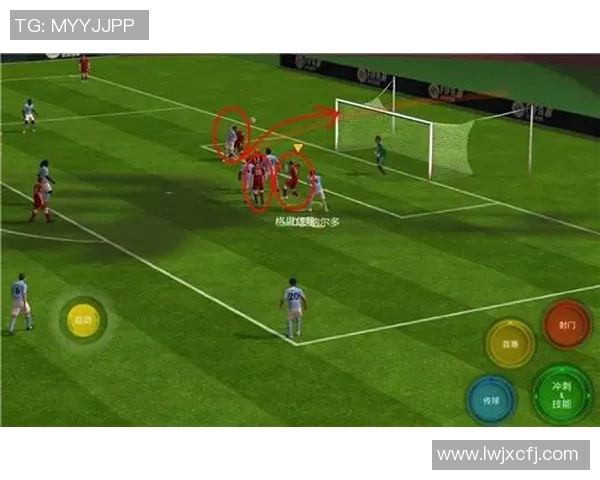
在传统体育项目中,区域防守广泛应用于篮球、足球等竞技体育。而在街舞领域,这一理念则被赋予了新的内涵。通过划分表演区域,每位舞者都能明确自己的角色定位,从而形成一种动态平衡。这样的安排使得整个团队能够更灵活地应对各种风格和节奏的音乐,为观众带来震撼体验。
此外,在实施区域防守战术时,南京街舞队还注重与其他元素结合,如音乐节拍、灯光变化等,使得整体表演更具层次感。这种多维度的呈现方式不仅增强了观众的参与感,也推动了街舞艺术的发展。因此,对这一战术进行深入探讨,有助于理解其在运动专业中的实际意义。
南京街舞队运用区域防守战术,有效促进了成员之间的协作能力。在这种战术下,每位成员都需明确自身职责,并与其他队员保持密切联系。例如,当某个部分需要突出表现时,其他成员会根据既定方案适时调整自己的动作,以避免干扰主角。同时,这也培养了队员们对彼此信任与支持的重要性。
为了实现高效协作,南京街舞队会定期进行针对性的训练,包括模拟比赛情境下的小组练习。在这些训练中,教练将专注于如何优化每个环节,使得所有成员都能自然地融入到整体节奏中去。这种以团队为核心的训练模式,使得每位成员都能发挥自己的优势,同时又不失去整体协调性。
此外,该策略还鼓励成员间进行积极沟通。通过讨论各自的位置、动作以及可能遇到的问题,可以提前做好应对准备。这种良好的沟通机制,不仅提升了表演质量,也增进了成员之间的人际关系,为日后的合作打下坚实基础。
除了增强团队协作外,南京街舞队采用区域防守战术还显著促进了每位运动员个人技术的发展。在这种战略框架下,每个演员不仅是单独展示技巧,更是在团队表现中寻找突破口。例如,在特定位置上跳跃或旋转,可以让他们更专注于自身动作,提高细节把控能力。
同时,由于需要不断适应不同角色和任务要求,各位队员也面临着更多挑战。这些挑战促使他们不断尝试新动作、新风6686体育格,从而拓宽个人技艺边界。此外,通过反复练习,他们能够找到最适合自己风格的发展方向,而不是拘泥于固定套路。
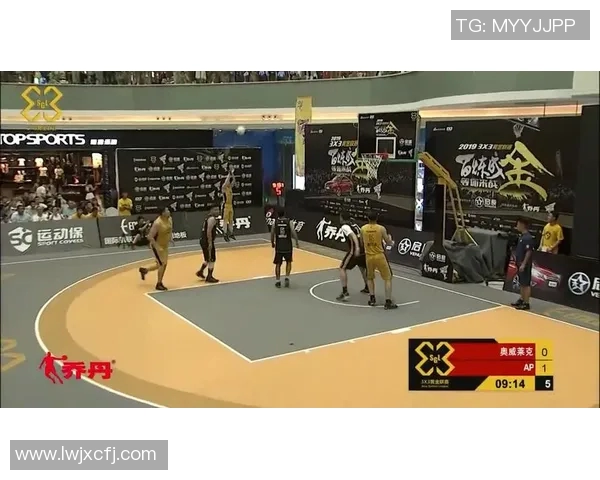
再者,在观看并参与集体排练时,每位演员都有机会学习他人的优点,并加以模仿与改进。这种相互学习不仅丰富了每一个人的表演内容,也提升了整个团队的一致性。因此,南京街舞队利用这一战术,实现个人与集体共同成长,有助于打造出更加多元化且富有创意的作品。
Nanjing street dance team has achieved remarkable results in competitions by implementing the zone defense strategy. In various performances, they have successfully integrated this approach, allowing them to adapt quickly to different styles and themes while maintaining a cohesive appearance. The audience often praises their ability to showcase individual skills within a unified framework, which enhances both the visual appeal and the overall impact of the performance.
The effectiveness of the regional defense tactic can also be seen in how it helps teams respond to competitive pressures. During high-stakes competitions, dancers are often faced with unexpected challenges, such as changes in music tempo or unanticipated moves from competitors. By relying on established roles and responsibilities within the zone defense framework, members can maintain composure and execute their parts efficiently without losing sight of the collective goal.
This adaptability not only improves overall performance but also boosts confidence among team members. Knowing that they can rely on each other during crucial moments allows dancers to focus more on their technique and expression rather than worrying about coordination issues. Such psychological advantages further enhance their competitive edge in festivals and tournaments.
总结:
Nanjing street dance team's exploration of zoning defense tactics reflects a significant evolution in how street dance is perceived and practiced within sports disciplines. By integrating this strategic approach, they not only improve teamwork but also encourage personal growth among dancers, leading to richer artistic expressions.
This study highlights the importance of adapting traditional tactics for contemporary art forms like street dance. Future research may delve deeper into how these strategies can continue to evolve alongside changing trends in both music and movement styles, ensuring that street dance remains a dynamic and engaging form of expression.
6686体育将平台的稳定性和流畅度视为生命线,确保您的每一次操作、每一场观赛都顺风顺水,全程无忧,尽享愉悦体验。